


The cannabis edibles market is growing fast — but not all edibles are growing in the same direction. A new wave of conscious consumers is raising the bar, and the brands paying attention are the ones leading the way.
The cannabis edibles industry is in the middle of a quiet revolution. While the market is projected to surpass $36 billion globally by 2030, the most meaningful shift isn’t happening in volume — it’s happening in values. Consumers are no longer satisfied with just any edible. They want to know where their ingredients come from, how they were grown, who was paid fairly along the way, and whether the product they’re putting into their body was made with genuine care and craft.
This is the era of the intentional edible — and it’s changing everything.
The “Clean Label” Movement Has Arrived in Cannabis
For years, the clean label movement reshaped the food and beverage industry. Shoppers started flipping packages over, reading ingredient lists, and rejecting anything they couldn’t pronounce. That same scrutiny has now fully arrived in the cannabis space.
Today’s cannabis consumer isn’t just asking “how strong is it?” — they’re asking “what’s in it?” Organic certifications, fair-trade sourcing, non-GMO ingredients, and responsibly grown cacao are no longer nice-to-haves. For a growing segment of the market, they are the baseline expectation. Brands that can’t answer the question of where their ingredients come from are increasingly being left behind.
This shift is being driven in large part by Millennials and Gen Z, who together now represent the dominant force in consumer spending. Studies show that over half of Gen Z consumers are willing to pay a premium for environmentally sustainable products, and this generation consistently gravitates toward brands whose values align with their own. They are not passive buyers — they are active participants in the supply chains they support. Ethical sourcing, transparency, and sustainability aren’t marketing buzzwords to them; they are purchasing criteria.
Why Younger Consumers Are Rewriting the Rules
Gen Z and younger Millennials have grown up in an era of food awareness. From farm-to-table dining to the rise of functional superfoods, this generation has been educated — by culture, by social media, and by lived experience — to think critically about what they consume. They understand the difference between a mass-produced gummy made with artificial flavors and a handcrafted chocolate bar made with organic, fair-trade cacao and full-spectrum cannabis inputs. And they choose accordingly.
This selectivity extends beyond just health consciousness. It’s also deeply tied to identity and community. Younger consumers want to support brands that reflect their values — brands that are Black-owned, woman-owned, locally rooted, and community-driven. They want their purchases to mean something beyond the transaction. When a cannabis edible is made with organic ingredients, sourced from small-batch producers, and crafted by a company with a genuine story and mission, it becomes more than a product. It becomes a statement.
The result is a market that is bifurcating. On one side, mass-market edibles compete on price and potency. On the other, a premium artisan segment is growing rapidly — fueled by consumers who are more selective about their diet, more informed about cannabinoids, and more willing to invest in quality experiences.
Bean-to-Bar Chocolate: The Craft Cannabis Frontier
Nowhere is this trend more visible than in the world of craft, bean-to-bar cannabis chocolate. The bean-to-bar movement — in which chocolatiers control every step of the process from sourcing the raw cacao bean to producing the finished bar — has exploded in the mainstream food world, and it is now one of the most exciting frontiers in cannabis edibles.
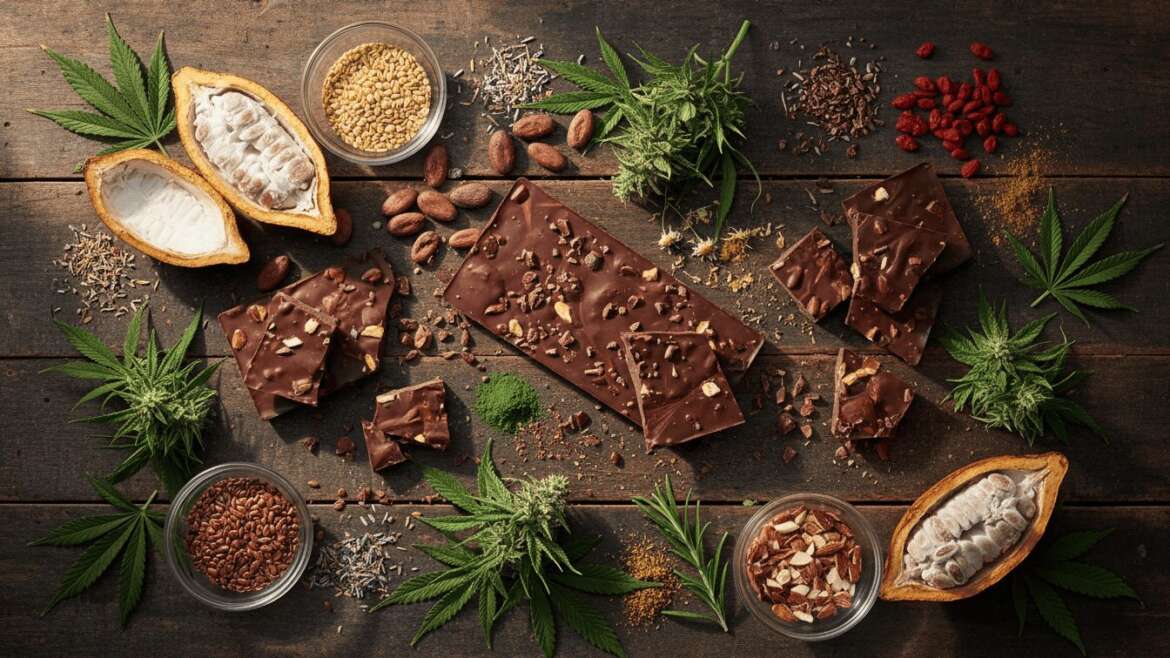
Bean-to-bar chocolate is fundamentally different from conventional chocolate. It starts with single-origin or small-batch cacao, often sourced directly from farmers who are paid fairly and practice sustainable agriculture. The result is a chocolate with genuine terroir — complex flavor notes, natural depth, and a richness that mass-produced chocolate simply cannot replicate. When you pair that level of craftsmanship with full-spectrum cannabis inputs, minor cannabinoids like CBG, CBN, and THCV, and thoughtfully chosen superfoods and functional ingredients, you get something that transcends the typical edible experience entirely.
This is the intersection of plant medicine and artisan food culture — and it’s where the most discerning cannabis consumers are spending their money. The bean-to-bar chocolate market is growing steadily, driven by the same values that are reshaping cannabis: transparency, traceability, quality, and craft. Consumers who seek out a single-origin dark chocolate bar at a specialty food shop are the same consumers who want to know that their cannabis chocolate was made with the same level of intention and integrity.
Functional Beverages: The Next Big Wave
If craft chocolate represents the artisan heart of the premium edibles movement, cannabis-infused functional beverages represent its fastest-growing frontier. The functional beverage category — drinks formulated with specific health and wellness benefits in mind — has been one of the most dynamic sectors in the broader food and beverage industry for several years. The integration of cannabis into this space is a natural and powerful evolution.
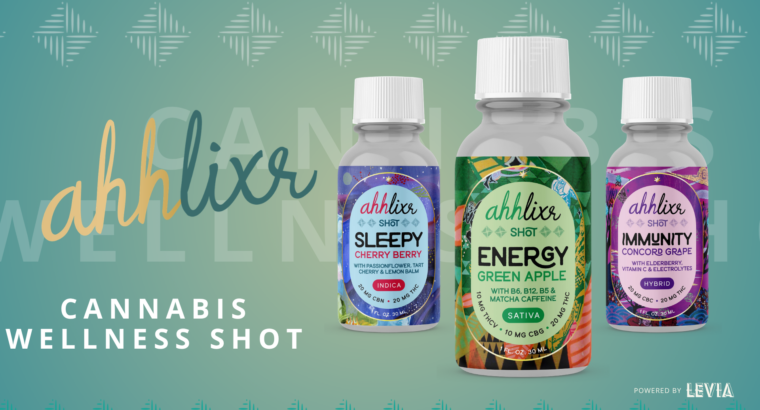
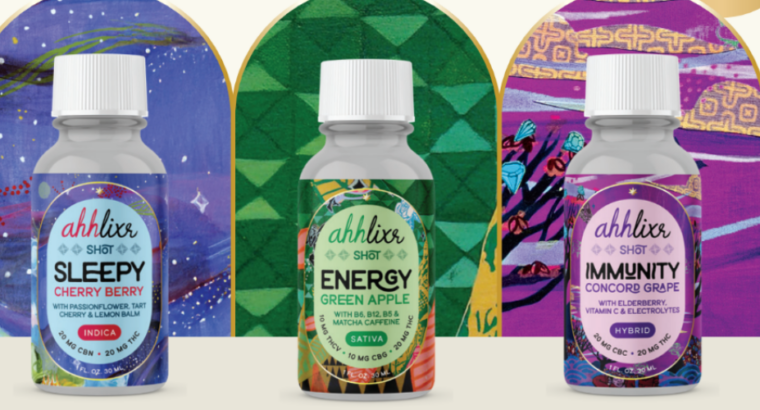
Cannabis wellness shots, infused teas, adaptogenic sparkling waters, and cannabinoid-enhanced functional drinks are resonating deeply with health-conscious consumers who want their cannabis experience to fit seamlessly into a wellness-oriented lifestyle. These aren’t party drinks — they are intentional, effect-based beverages designed to support sleep, focus, relaxation, recovery, or social energy. When formulated with organic ingredients, minor cannabinoids, and functional botanicals, they speak directly to the values of the modern wellness consumer.
The appeal is also practical. Beverages offer a familiar, approachable format for consumers who may be newer to cannabis or who prefer a lighter, more controlled experience. They fit naturally into daily rituals — a morning wellness shot, an afternoon wind-down drink, an evening relaxation beverage — making cannabis consumption feel less like an event and more like a lifestyle practice. For brands that can deliver on both quality and intentionality, the functional beverage space represents one of the most significant growth opportunities in the entire cannabis edibles market.
Craft, Community, and the Future of Cannabis
The convergence of organic sourcing, fair-trade ethics, artisan craftsmanship, and functional wellness isn’t a niche trend — it’s the direction the entire premium cannabis edibles market is heading. As legalization continues to expand and the consumer base matures, the brands that will define this industry are the ones that treat cannabis as what it truly is: a plant with profound potential, deserving of the same respect, care, and craft that we bring to the finest food and beverage experiences in the world.
The future of cannabis edibles is not mass-produced. It is handcrafted, herbalist-inspired, ethically sourced, and deeply intentional. It is made by people who care — for the plant, for the consumer, and for the communities they serve.
That future is already here. And it tastes like an ahh moment.
Ahh Moments is an award-winning, Black-owned and woman-owned artisan cannabis edibles company based in Massachusetts, crafting small-batch, organic, fair-trade cannabis chocolates and functional wellness products. Learn more at [ahhmoments.com]