



The world of cannabinoids is growing faster than ever, making specialized plant chemicals more popular than ever before. If you’ve tried anything out of the world of hemp products, then you know about THC and CBG. Both are derived from the same plants, but they offer entirely different experiences.
The reason people compare them is that they offer two very different approaches to achieving enhanced well-being. One can provide the familiar experience of psychoactivity while the other provides a clear-headed balance. Things only get even more fun when CBD and CBN are added to the discussion.
Understanding how these compounds differ is the key to finding your perfect ritual.
Quick Answer: CBG vs THC
In summary, the key distinction between the two lies in their effects on your brain. THC (tetrahydrocannabinol) is a principal component of cannabis, known for its unique ability to give users that typical “high” experience along with deep relaxation. Cannabigerol (CBG), however, is not an intoxicant at all and provides mental clarity.
The choice between CBG and THC will depend solely on what experience you expect to have; thus, opt for THC in order to relax and be in a state of bliss, and for CBG to be productive.
What Is CBG?
Often called the “mother of all cannabinoids” or the parent cannabinoid, CBG stands for Cannabigerol.
At the beginning of the hemp plant’s life cycle, CBG is present in its acidic form, called CBGA. Due to the plant undergoing changes in heat and light during its development, CBGA degrades and forms other important cannabinoids, such as THC and CBD. Since almost all CBGA in the plant is converted, it leaves only a small amount of it at the harvest stage, which is below 1%.
CBG can be found in various quality products today, including specialized gummies, wellness tinctures, and focus supplements.
What Is THC?
THC, or Tetrahydrocannabinol, is the most renowned cannabinoid in the whole world. More specifically, the Delta-9 THC coming from industrial hemp is gaining popularity because it comes from the industrial hemp crop, but it still has the same molecular composition and the same blissful qualities as the classic THC.
It differs from all other non-intoxicating cannabinoids by its intense interaction with the receptors in the brain that provides a uniquely relaxing and euphoric feeling. It is a highly versatile substance that can be found in various forms such as gourmet chocolates, chewy fruit gummies, and infused drinks. The right approach to consuming THC is to start with a small serving size.
CBG vs THC Comparison Table
| Feature | CBG (Cannabigerol) | THC (Tetrahydrocannabinol) |
| Psychoactive Effects | Non-intoxicating (No high) | Psychoactive (Produces a euphoric high) |
| Plant Abundance | Rare (Typically <1% in mature plants) | Abundant in mature plants |
| Typical Experience | Clear-headed, focused, grounded | Euphoric, deeply relaxing, sensory-enhancing |
| Product Availability | Emerging; found in targeted wellness lines | Widely available in recreational & wellness lines |
| Best Suited For | Daytime focus, work hours, mental clarity | Evening relaxation, socializing, winding down |
| Common Formats | Oils, capsules, daytime gummies | Chocolates, baked goods, gummies, beverages |
Key Differences Between CBG and THC
To truly understand thc vs cbg, it helps to look at the simple science behind how they interact with your body.
Chemical Composition
At a molecular level, CBG and THC have unique atomic compositions. Since CBG is a precursor molecule, its composition is such that it can easily adapt to any situation. Once it is converted into THC, its chemical makeup becomes that which matches the brain receptors precisely.
How They Interact with the Endocannabinoid System
Your body features a vast regulatory network called the Endocannabinoid System (ECS), which uses CB1 and CB2 receptors to maintain internal balance. THC binds directly and strongly to CB1 receptors, which are primarily located in the brain. This direct connection is what triggers those famous euphoric, psychoactive sensations. CBG, however, interacts gently with both CB1 and CB2 receptors without fully activating them, which is why it provides a grounded feeling without altering your perception.
Psychoactive Experience
The practical result of these chemical differences is the everyday experience. THC alters your sensory perception, induces deep muscle relaxation, and brings a wave of warm euphoria. CBG acts quietly in the background, keeping your mind completely clear, sharp, and anchored.
Product Availability
Because THC is highly abundant in mature plants, it is incredibly easy to find in diverse formats like decadent chocolates and artisan sweets. CBG requires specialized extraction methods due to its scarcity, meaning it is more frequently found in targeted specialty wellness formulations.
CBG vs THC Effects
When comparing cbg vs thc effects, timing, duration, and feeling play a major role.
- Onset & Duration: Both cannabinoids behave similarly depending on how you consume them. Ingestion (like eating an edible) typically takes 45 to 90 minutes to kick in, with effects lasting anywhere from 4 to 8 hours.
- The Vibe: THC brings a rich, warm, and immersive sensory experience. It shifts your mood into high gear, often bringing giggles, deep food appreciation, and a cozy desire to sink into the couch. CBG’s effects are subtle and smooth, providing an undercurrent of calm alertness and an easy, productive flow.
- Intensity & Personal Factors: THC’s intensity is highly dependent on your personal tolerance, serving size, and unique body chemistry. CBG is much milder and carries none of the overwhelming intensity that high doses of THC sometimes produce.
CBG vs THC Benefits
Without diving into medical claims, both of these plant compounds shine brightly in everyday lifestyle applications.
Everyday CBG Benefits
- Mental Clarity: Perfect for keeping your mind sharp during demanding workdays or creative sessions.
- Centered Calm: Helps take the edge off daily stress while keeping your feet firmly on the ground.
- Physical Comfort: Ideal for soothing the body during active days without inducing drowsiness.
Everyday THC Benefits
- Deep Relaxation: Excellent for shedding the worries of a long week and sinking into pure comfort.
- Enhanced Creativity & Play: Elevates music, movies, art, and social conversations to a more vibrant level.
- Restful Evenings: Supports a peaceful transition from a busy day to a cozy, quiet night.
Which Is Stronger: CBG or THC?
When asking is cbg stronger than thc, the answer depends on how you define “strength.”
If you’re asking which of these compounds you will experience more strongly, THC is definitely more potent due to the fact that it binds to brain receptors and its effects are instantaneous. The CBG works in tandem with your body in a far more subtle way without intoxicating you. But if what you’re searching for is a powerful feeling of inner balance throughout a hectic afternoon, CBG may be felt very intensely.
Can You Take CBG and THC Together?
Absolutely. In fact, many people prefer taking CBG and THC together.
When you use several cannabinoids, they exhibit a form of botanical interaction called the entourage effect. The idea behind this theory is that when cannabinoids are taken together, their effectiveness increases as they balance one another and enhance their natural attributes.
When combined, the CBG helps even out the strong psychoactive attributes of the THC and creates an amazing balance that gives you a clear and bright high experience. When using the two together, it’s always advisable to start with small portions of each.
CBG vs CBD vs THC
To broaden the horizon, let’s look at how the three most popular cannabinoids compare:
| Cannabinoid | Psychoactive? | Primary Lifestyle Vibe | When Consumers Choose It |
| THC | Yes | Euphoric, deeply relaxing, sensory | To unwind, socialize, and enjoy a warm glow. |
| CBD | No | Quiet, soothing, tension-melting | For everyday stress support and overall physical ease. |
| CBG | No | Clear-headed, alert, mentally focused | For daytime productivity, flow-states, and clarity. |
THC vs CBD vs CBN vs CBG
When navigating the complete cannabinoid spectrum, adding CBN (Cannabinol) to the mix completes the ultimate wellness toolkit.
- THC is your go-to for sensory enjoyment, elevated mood, and deep evening relaxation.
- CBD serves as your versatile, non-intoxicating foundation for daily peace and physical comfort.
- CBN is famously known as the “sleepy cannabinoid”; it forms as THC ages and is highly sought after for nighttime routines and deep slumber.
- CBG acts as your daytime companion, fueling mental drive, focus, and cool-headed coordination.
How to Choose the Right Cannabinoid
Finding your perfect cannabinoid match is a personal, rewarding journey. Keep these simple guideposts in mind:
- Define Your Goal: Do you want to feel a blissful, cozy buzz (THC), fall asleep easily (CBN), ease physical tension (CBD), or stay bright and productive (CBG)?
- Consider the Time of Day: Reserve THC and CBN for cozy evenings. Save CBD and CBG for active mornings and busy afternoons.
- Check the Serving Size: Always read product labels closely. If you are a beginner, start with a low serving (such as 2.5mg to 5mg of THC) and wait at least two hours before enjoying more.
- Choose High-Quality Brands: Look for clean ingredients, transparent labeling, and third-party lab testing to ensure you are getting exactly what is promised.
Why Hemp-Derived Delta-9 THC Chocolate Is a Popular Choice
If you decide that a relaxing, euphoric journey is exactly what you are looking for, there is no better way to indulge than with a premium edible.
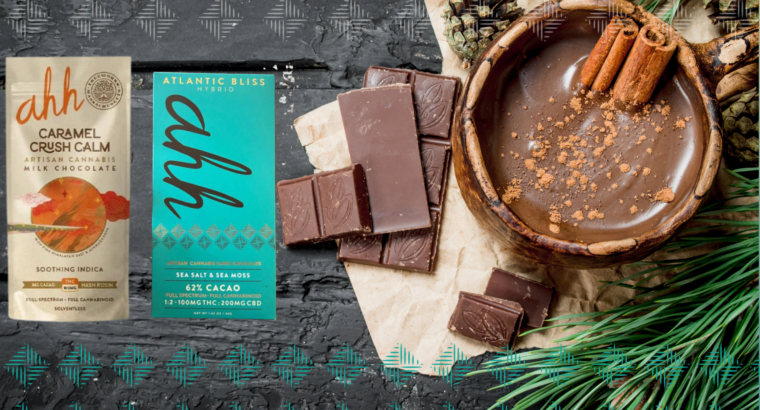
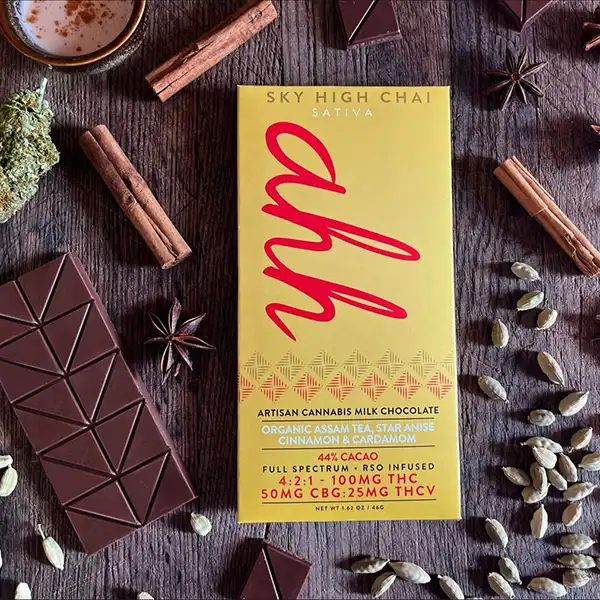
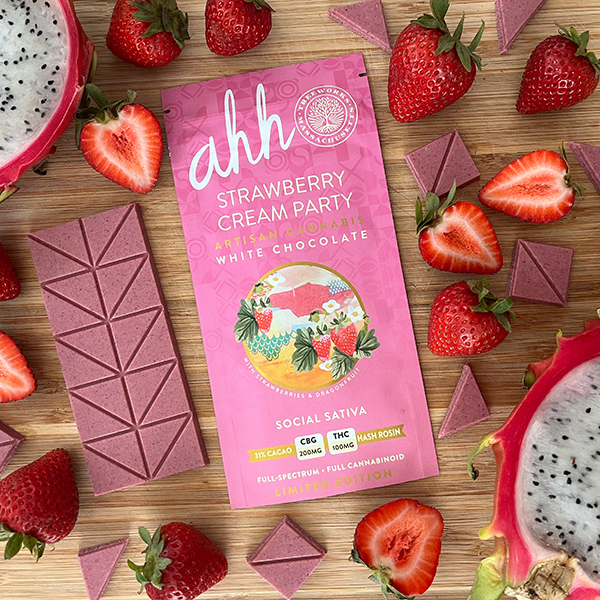
Ahh Moments’ Chocolate Collection offers a luxurious, artisanal approach to hemp-derived Delta-9 THC. Crafted with rich, high-quality ingredients, these chocolates transform your cannabinoid routine into a gourmet ritual.
Choosing a chocolate format offers incredible benefits:
- Decadent Flavor Profiles: The rich, velvety notes of premium cacao naturally mask earthy hemp undertones, making every bite a delight.
- Consistent, Predictable Servings: Each chocolate square is precisely infused, allowing you to easily customize your experience with confidence.
- Discreet and Convenient: Indulging in a chocolate square is sophisticated, seamless, and fits beautifully into any modern lifestyle.
Frequently Asked Questions
Is CBG stronger than THC?
No, in terms of psychoactive effects, THC is much stronger because it binds directly to the brain’s receptors to produce a noticeable high. CBG is non-intoxicating and works subtly to support focus and balance.
Does CBG make you feel high?
No. CBG does not produce any intoxicating or mind-altering effects. You can enjoy it throughout your workday while remaining completely sharp and clear-headed.
Can you combine CBG and THC?
Yes! Combining them can trigger the “entourage effect,” where CBG helps smooth out the psychoactive intensity of THC, resulting in a bright, balanced, and highly enjoyable experience.
Is CBG legal?
Yes. Under the 2018 U.S. Farm Bill, CBG derived from industrial hemp containing less than 0.3% Delta-9 THC by dry weight is federally legal.
Is hemp-derived Delta-9 THC legal?
Yes. Hemp-derived Delta-9 THC is federally legal as long as the product contains less than 0.3% Delta-9 THC by dry weight. However, local state regulations can vary, so it is always smart to check your local laws.
Which cannabinoid is best for beginners?
For a completely non-intoxicating start, CBD or CBG is an excellent choice. If you want to explore psychoactive effects, starting with a very low, controlled serving of hemp-derived Delta-9 THC chocolate is the most enjoyable way to begin.